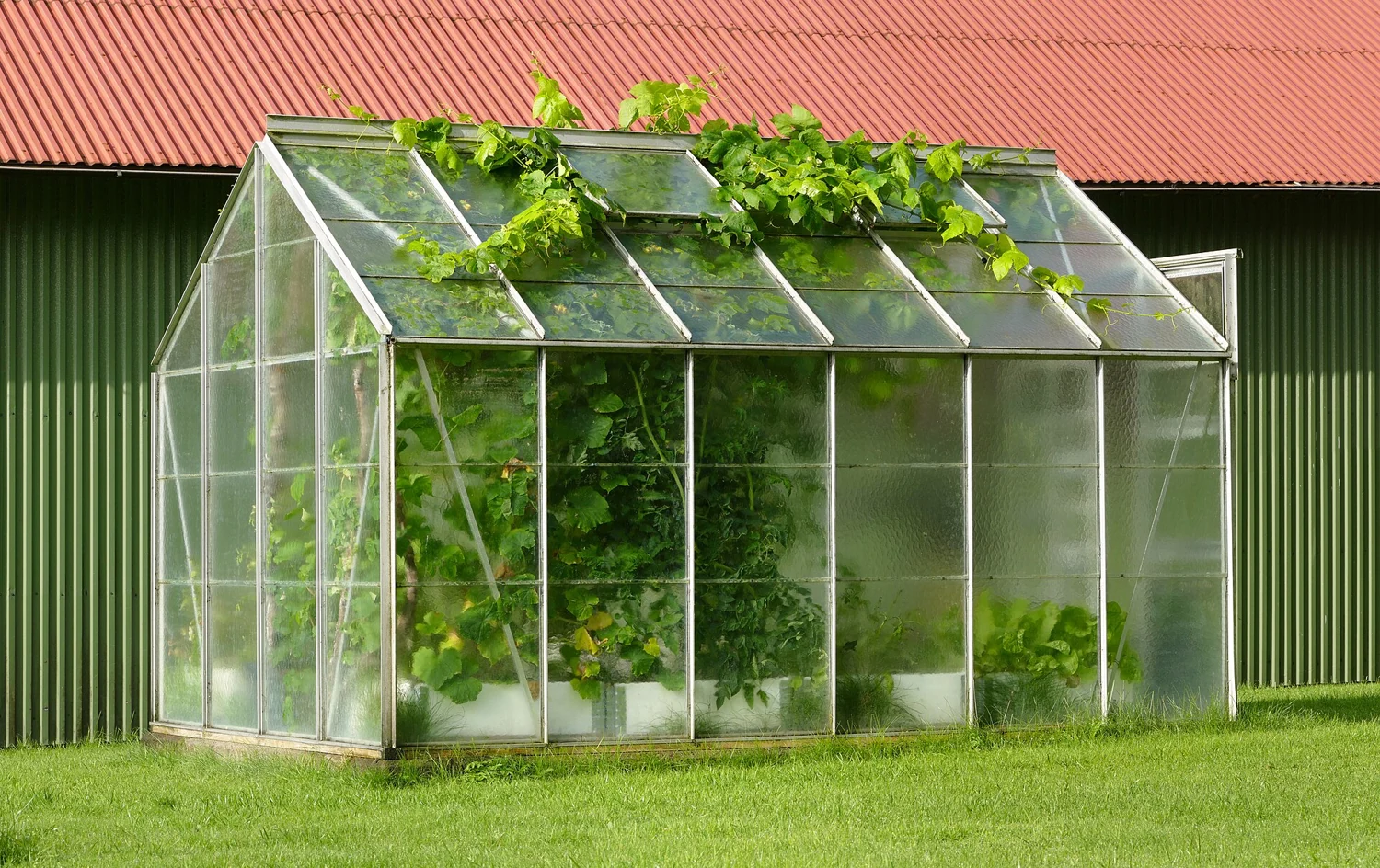
A home greenhouse is a small protected growing space with a transparent covering. It can be a compact propagation enclosure or a walk-in backyard structure. Start by choosing your plants and growing season, then assess light, ventilation, drainage and structural safety. Buying a frame first can leave you with a space that overheats in summer and cannot protect your plants on cold nights.
Sadra Sazeh does not build home greenhouses or provide home-greenhouse installation services. This guide is educational. Sadra's construction work concerns commercial greenhouses.
- A few pots or seed trays may not need a walk-in greenhouse.
- An unheated greenhouse does not guarantee a stable temperature or year-round production.
- Balconies and rooftops require checks for loads, wind anchorage and waterproofing.
- Size, covering and equipment should match the location, plants and season.
What is a home greenhouse?
Home greenhouses support activities such as raising seedlings, propagating plants, extending the growing season and protecting a small collection. Commercial greenhouses serve a production and marketing plan and have different requirements for structures, energy, growing systems and operation. Simply reducing the dimensions of a commercial design does not produce a suitable domestic structure.
An open shelf of pots is not necessarily a greenhouse. A transparent enclosure changes the temperature and humidity around plants and therefore needs a way to release heat and moist air. An open shelf under suitable grow lights may be a simpler option for the same plants.
Our commercial greenhouse design and construction guide explains a different scale of project. Its requirements should be adapted rather than copied into a home setting.
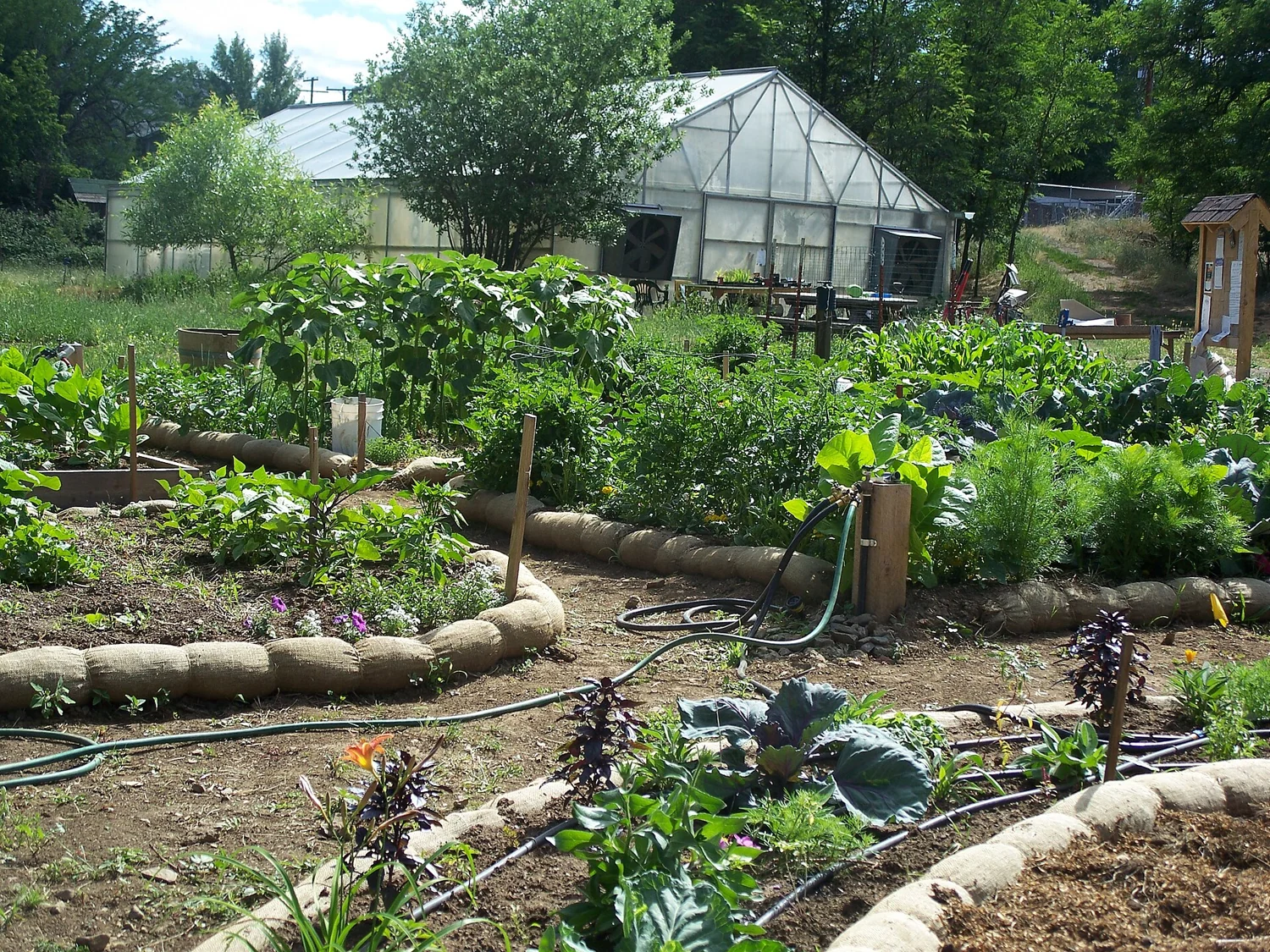
Types of home greenhouses
| Type | Potential use | Main advantage | Key constraint |
|---|---|---|---|
| Freestanding backyard greenhouse | Pots, seedlings and seasonal crops in a walk-in space | More freedom to position the structure and vents | Wind, snow, drainage and surrounding shade |
| Lean-to greenhouse | A narrow space beside a building | Efficient use of a restricted footprint | Wall shading, structural connections and moisture at the building |
| Balcony or terrace enclosure | A limited number of pots or seedlings | Convenient access for plant care | Permitted loads, wind, runoff and clear access routes |
| Rooftop greenhouse | Only where building assessments and local requirements permit it | Potential access to more sunlight | Wet growing-media loads, wind uplift, waterproofing and edge safety |
| Indoor mini-greenhouse | Propagation or a small collection suited to indoor light | A compact space that is easy to observe | Insufficient light, trapped heat and moisture near walls or electrical equipment |
| Cold frame or low tunnel | Low-growing beds and gradual hardening of seedlings | A simple seasonal structure | Manual opening and access from outside |
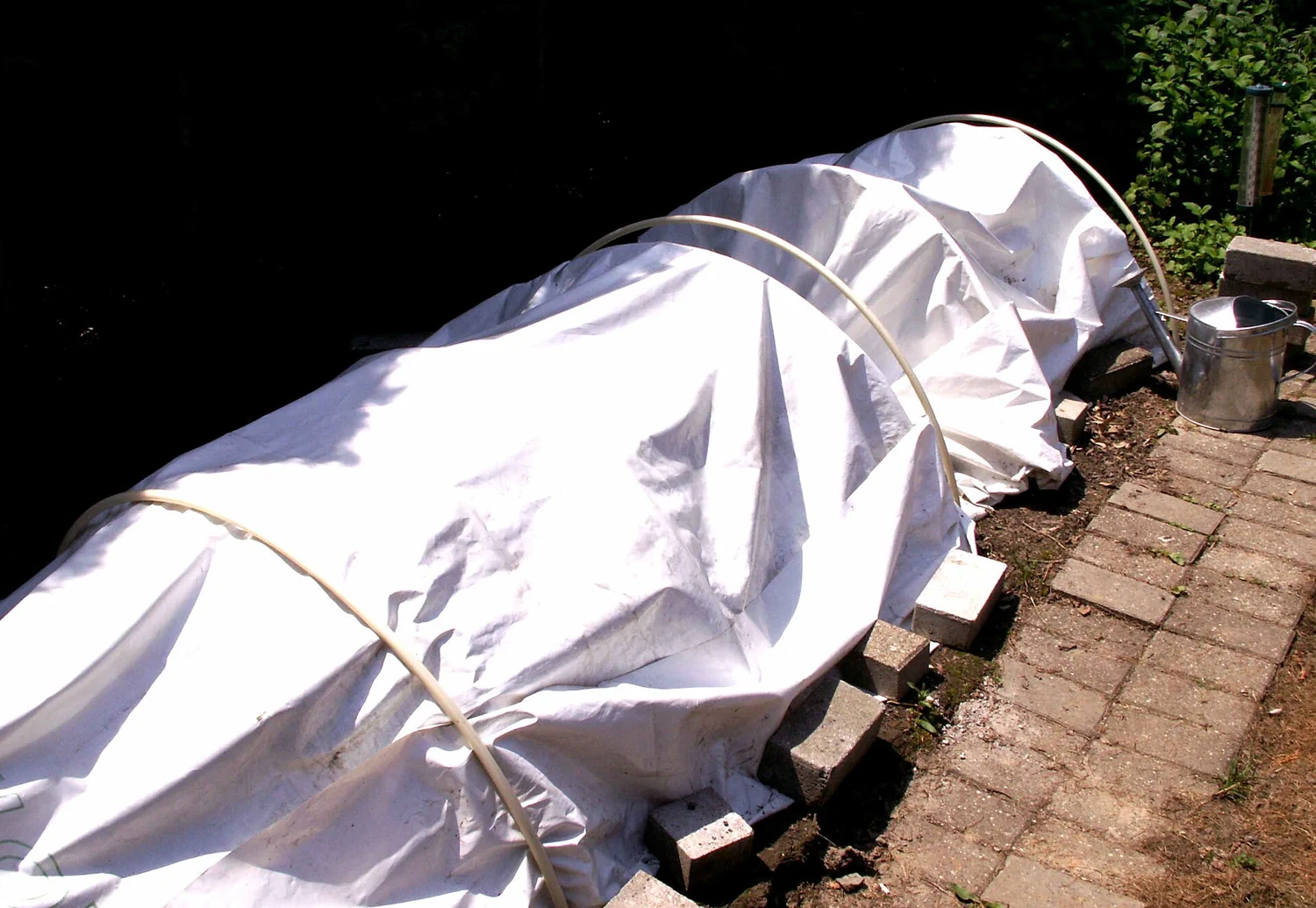
A cold frame is a low box with a transparent lid and usually no heater. A low tunnel covers a bed or crop row; it is not a walk-in growing space. RHS guidance identifies these as options where space is limited, while also explaining their rapid temperature fluctuations and ventilation limitations.
Benefits and limitations
The main benefit is being able to modify the environment around plants and protect them from some outdoor conditions. A greenhouse does not remove the effects of seasons. Its usefulness depends on sunlight, ventilation, crop selection and the time available for care.
| Opportunity | Responsibility or limitation |
|---|---|
| Earlier sowing and seedling production | Adequate light and gradual preparation for outdoor conditions |
| Protection from direct wind and rain | A structure designed for local weather loads |
| Seasonal protection for sensitive plants | Covering alone cannot prevent every frost or heat injury |
| Plants close enough for regular observation | Pests can enter with new plants and spread in crowded spaces |
| The enjoyment of growing at home | Energy use, maintenance and eventual covering replacement |
If you only grow a few pots of vegetables during mild weather, an outdoor container garden may be enough. If nobody can check ventilation during sunny days, a small closed enclosure can be harder to manage than an open growing shelf.
Choosing a location and adapting to Iran's climates
Assess light during the intended growing season
A sunny summer location may be shaded by a nearby building in winter. Observe shade at different times and consider neighbouring buildings and trees. Heating cannot substitute for insufficient light.
University guides commonly discuss the south or southeast side of buildings as a useful position for winter light in the northern hemisphere. However, placing a greenhouse south of a building is not the same decision as orienting its ridge north–south. There is no reliable universal orientation without considering season, shade and wind.
Include water, access and drainage
Check safe access, the water supply and where irrigation runoff and rainwater will go. Avoid pooling water, falling snow from a neighbouring roof and locations where wind accelerates around buildings. Runoff should not create slippery paths or affect neighbours.
| Local conditions | Assessment priority | Design implication |
|---|---|---|
| Cold and snowy areas | Snow loading, local minimum temperatures and winter use | An engineered structure or a seasonal-use plan; thin covering is not a substitute for structural design |
| Hot and dry areas | Summer heat, water availability and quality, strong sunlight | Suitable ventilation and shading; assess evaporative cooling separately |
| Hot and humid areas | Combined heat and humidity, corrosion | Prioritise air exchange and growing-season choice; misting is not a universal solution |
| Mild and humid areas | Rainfall, persistent leaf wetness and standing water | Drainage, plant spacing and moisture removal |
This is a decision framework, not a climate calculation for a particular city. Design temperatures, wind and snow loads and equipment selection require site-specific information.
Size and layout: is there a standard home-greenhouse size?
No single size fits every domestic use. Start with the number of pots, mature plant size, working access, door movement and space for vents. A suggested size in an overseas guide is not a mandatory Iranian standard.
For example, RHS recommends eaves at least 1.5 metres high and preferably 1.8 metres or more in its greenhouse-selection guide. This is a practical recommendation within that guide, not a structural specification. Final height, roof slope and framing still depend on the design and location.
A simple layout exercise
Consider an illustrative rectangle 1.5 metres wide and 2 metres long: its floor area is 3 square metres. Two 45-centimetre planting strips and a 60-centimetre central path add up to a 150-centimetre width. This is arithmetic for exploring a layout, not an approved plan. Frames, wall thickness, door clearance and any additional working access still reduce the space available.
Mark the positions on the ground with tape and try moving, reaching and lifting pots before purchasing materials. This example is not a design for wheelchair access, large trays or equipment movement. Heavy containers and water storage must be included in the building-load assessment.
- Mark north and nearby shading objects.
- Distinguish outside dimensions from usable interior space.
- Show the door, incoming air, warm-air outlet and drainage.
- Match benches to mature plants and comfortable access.
- Keep the layout exercise separate from engineered construction drawings.
Choosing framing and covering materials
| Framing | Potential advantage | Important limitation |
|---|---|---|
| Timber suitable for exterior use | Can be worked with carpentry tools and suits garden settings | Connections, moisture, decay and ongoing maintenance |
| Galvanised steel | A common option with designed connections and bracing | Protective-coating quality, corrosion at cut edges and total weight |
| Aluminium | Used in lightweight kits and glazing frames | Strength depends on sections and joints; low weight does not eliminate anchoring |
| Plastic pipe | Useful for some temporary low tunnels and covers | Not automatically suitable for permanent wind- or snow-resistant structures |
Tube diameter, hoop spacing and foundations cannot be specified reliably without the local design loads. Older PVC greenhouse plans can illustrate assembly methods, but their capacity should not be generalised to every city or rooftop. Our greenhouse structure guide provides further context about structural forms.
| Covering | Consider it when… | Check before purchase |
|---|---|---|
| Greenhouse film | A lightweight replaceable seasonal covering is appropriate | UV specification, actual thickness, fixing method and abrasion against the frame |
| Greenhouse-grade polycarbonate | A rigid covering with a documented specification is needed | Product light transmission, colour, wall structure, UV-protected side and installation instructions |
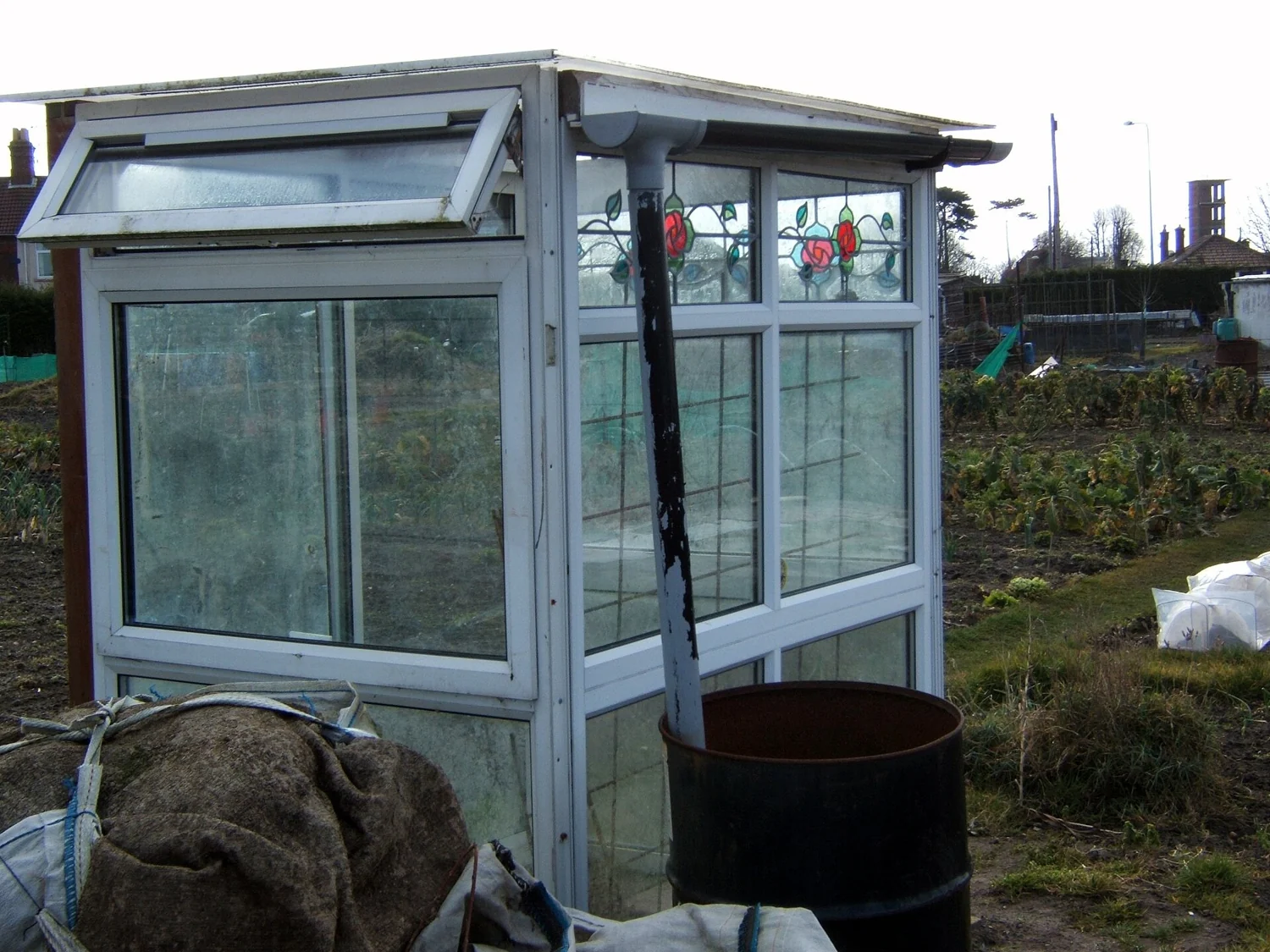
| Suitable glazing glass | The frame and support are designed for its weight and installation | Breakage safety, glass type, frame condition, seals and cleaning access |
Clear packaging plastic is not equivalent to greenhouse film. A coloured roofing panel is not necessarily appropriate for growing plants either. Read the specification of the actual product rather than assigning a lifespan or light-transmission value to an entire material category. See our greenhouse covering comparison.
How to build a home greenhouse: a practical sequence
Plan the use, assess the location, design the structure, prepare the base, install the frame and covering, then test the environment. A low tunnel, a kit and a walk-in greenhouse require different construction methods. The following steps explain the sequence; they do not replace construction drawings or the kit manufacturer's manual.
1. Define plants and season
Decide whether you want seedlings, ornamentals or edible crops, and whether plants will stay inside through winter. This determines whether you need an enclosure at all. A cold frame, open shelf or sunny container garden may meet the actual goal.
2. Confirm the site and prepare the materials list
Assess light, water, drainage, access and wind exposure. Before buying a rooftop or balcony structure, obtain an appropriate building assessment and check local rules and shared-property rights. Separate framing, fixings, anchors, covering, vents, benches, irrigation and monitoring equipment in the list.
3. Prepare the floor and supports
A backyard floor should be stable and should not hold water along access routes. Install foundations and anchors according to the design. On a roof, penetrating waterproofing without an approved detail can cause damage. A full concrete slab is not necessary for every home greenhouse; flooring should suit drainage and use.
4. Assemble the frame, anchors and openings
Follow the drawings or kit instructions. Check level, squareness and connections before adding the covering. Doors and vents should move freely. Do not suspend heavy pots, lights or fans from members not designed for those loads. Sharp connections should not contact the covering or users.
5. Fit the covering correctly
Film needs suitable fastening and protection from abrasion. Rigid panels need the specified orientation, fixings, joints and allowance for thermal movement. Installing glass or working at height is not an appropriate trial-and-error task. Check weather sealing without blocking the ventilation routes.
6. Add essential equipment and arrange plants
Start with a minimum–maximum thermometer, ventilation provision, containers with drainage and manageable watering. A humidity meter can also help you understand the environment. Add fans, heating, lights or automation when a specific requirement justifies them.
7. Test before filling the greenhouse
Check sunny-day and night temperatures, vent operation, runoff and access. A test during mild weather does not establish performance during a heatwave or winter freeze. Begin with a limited plant collection and adjust the layout and management from observation.
Ventilation, heating and cooling
Air circulation and ventilation are different. A circulation fan moves air within the enclosure; ventilation exchanges inside and outside air. Releasing heat and moisture requires a route for incoming and outgoing air. A small fan blowing inside cannot provide that exchange on its own.
Start with openings and appropriate shade
Upper or roof vents combined with lower air inlets can help natural ventilation. Insect mesh adds resistance to airflow and needs to be considered in vent or fan selection. Leaving the door open is not always a dependable option where wind and access safety are concerns.
RHS discusses roof-vent area around one-fifth of floor area for the greenhouses in its guidance. This is not a sufficient-design guarantee for every Iranian climate: outdoor heat, structure shape, wind, mesh and crop requirements still matter. Excessive shade can also reduce growth and seedling quality.
Base heating on plant needs and heat loss
Transparent covering does not turn sunlight into a permanent night-time heat source. Heating selection depends on the plants' minimum temperature and the structure's heat loss. Equipment must suit the damp environment, installation conditions and temperature-control needs. Do not use candles, charcoal or improvised unvented combustion heating.
Outdoor conditions limit summer cooling
Ventilation removes excess heat, but cannot be expected to produce air cooler than the incoming air in every situation. Evaporative cooling is more limited in humid conditions; adding mist without assessing humidity is not a universal answer. A different growing season or removing a temporary cover may be more practical than complex equipment.
Our greenhouse climate-control guide explains temperature and humidity relationships. Do not copy commercial settings directly into a small home enclosure.
Light, watering and growing media
Match lighting to the plants
Choose indoor plants for the actual light available. Lamp distance, operating time and intensity depend on the lamp, plant and growth stage; one distance does not apply to every LED. University of Minnesota guidance emphasises positioning seedling lights above plants and recognising stretching toward an inadequate or badly positioned light source.
Water according to growing-media conditions
Drying depends on container size, growing medium, plants and weather. Check the medium rather than prescribing the same daily schedule for every pot. Containers need drainage, and roots should not remain permanently submerged in unwanted runoff. Hand watering can serve a small collection; adjustable drip irrigation is an option for larger collections.
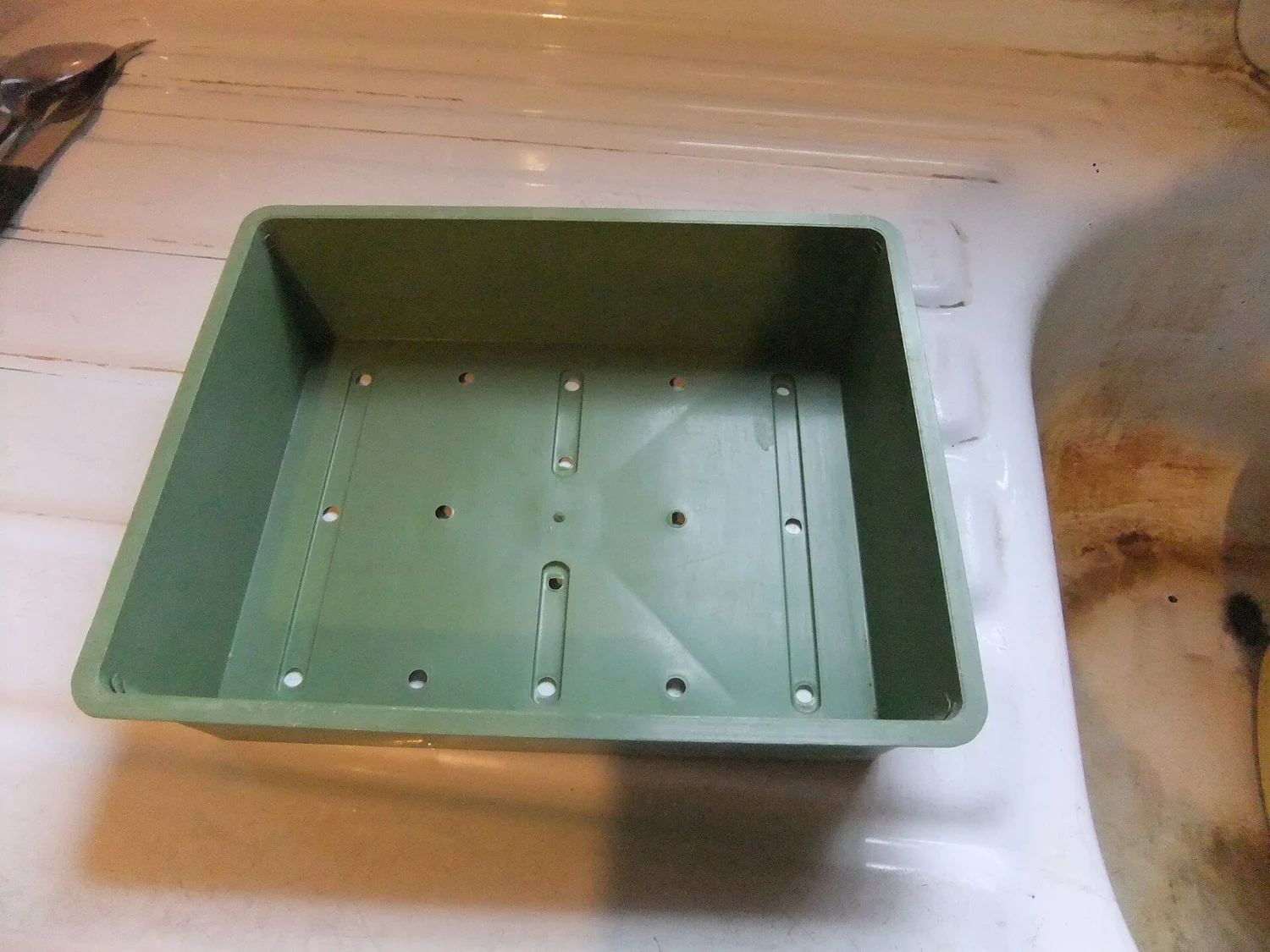
Use clean containers and a suitable potting medium. Heavy garden soil can have poor drainage and aeration in containers. A commercial mix does not remain contamination-free indefinitely after opening and use. If water leaves substantial deposits or plant growth is problematic, investigate its quality; pH alone does not describe every relevant property.
Our smart irrigation guide introduces system components, but a small enclosure does not need all commercial equipment. Hydroponics is a growing method rather than a structural form and is not a requirement for starting a home greenhouse.
Which plants are suitable?
A suitable plant matches your light, season and available growing space. Allow for its mature size and maintenance. An attractive photograph or available seed packet is not enough to determine suitability. Avoid combining plants with very different requirements in a small enclosure without a management plan.
| Plant group | Potential use | Selection consideration |
|---|---|---|
| Lettuce and seasonally suitable leafy crops | Containers, low beds and learning crop care | Excess heat and unsuitable varieties can reduce quality |
| Herbs such as basil | Sunny containers or appropriate protected conditions | Herbs do not all share the same cold tolerance |
| Tomato, pepper and flower seedlings | Starting plants for later transplanting | Light and gradual hardening before moving outside |
| Compact tomatoes and peppers | Suitable containers in a bright, accessible space | Root volume, supports, feeding and pollination needs |
| Cucumbers | A space with sufficient light, height and support | Not suitable for every small shelf; variety and pollination matter |
| Strawberries | Accessible containers and planting arrangements | Variety, season, healthy plants and moisture around fruit |
| Ornamental plants | Care or propagation tailored to the species | Do not place shade-loving plants beside sun-demanding crops simply to fill space |
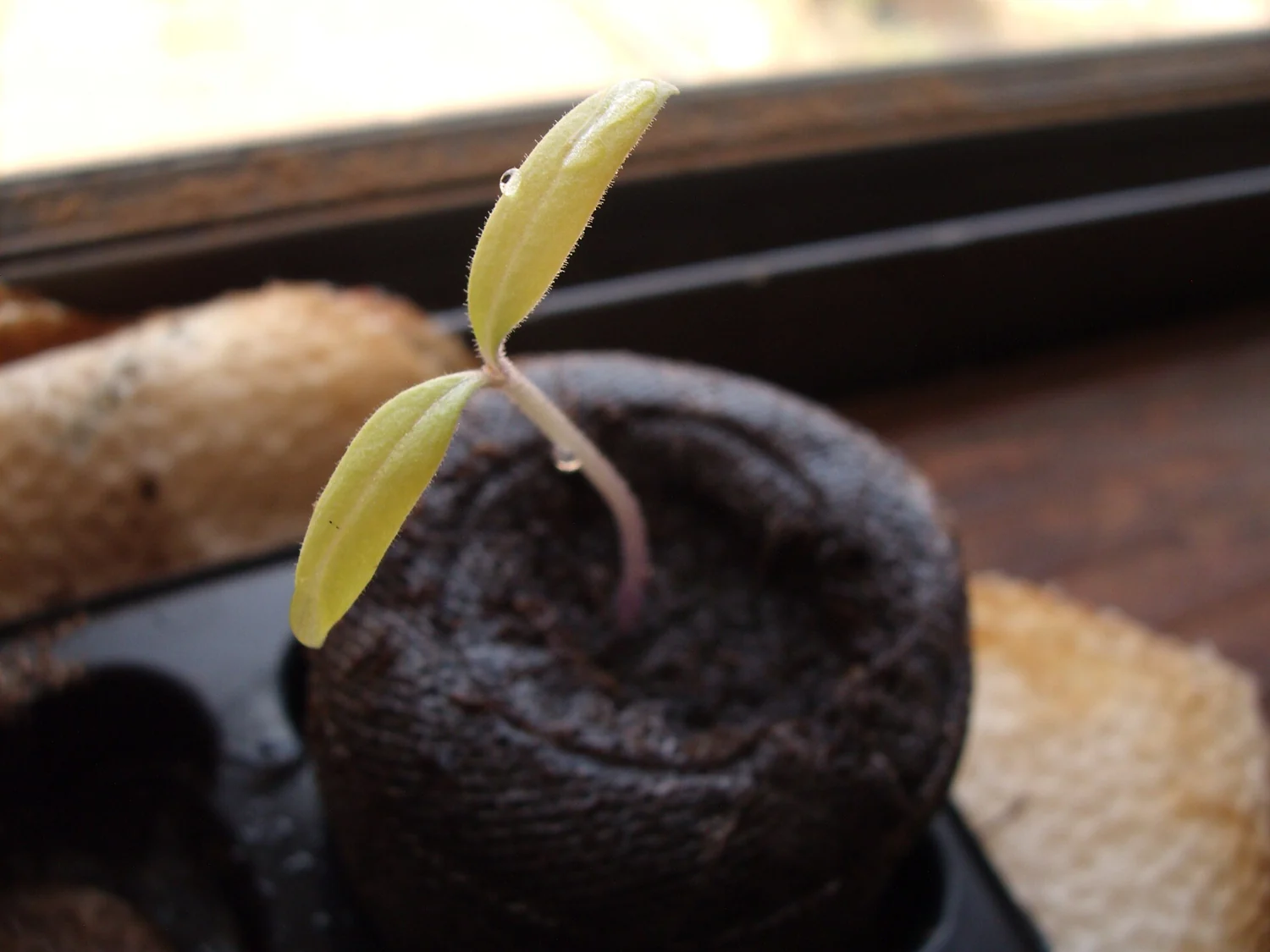
Start with a limited group of plants with similar needs and record watering, temperatures and growth. Edible mushroom production has different requirements; its composting, light and ventilation procedures should not be mixed into a vegetable-and-seedling greenhouse guide.
Maintenance and common problems
Regular observation is more useful than automatically adding equipment. Monitor minimum and maximum temperatures, growing-media moisture, plant condition and drainage. Wilting or yellow leaves alone do not prove a particular disease or fertiliser deficiency.
| Symptom | Check | Initial response |
|---|---|---|
| Excessive midday heat | Vents, incoming air, shade and fan operation | Improve air exchange and suitable shading; compare outside temperature |
| Condensation and prolonged leaf wetness | Humidity, temperature changes, crowding and watering time | Improve spacing and moisture removal; prevent drips onto foliage |
| Tall, weak seedlings | Light, spacing and growing conditions | Correct light and crowding rather than automatically adding fertiliser |
| Wilting despite wet media | Drainage, roots, damage and possible disease | Avoid adding more water; isolate affected plants and investigate |
| Insects on leaves | Leaf undersides, new plants and weeds | Identify the pest before choosing a control method |
- Check vents, water and vulnerable plants as frequently as conditions require.
- Remove dead leaves, weeds and standing water; keep containers and tools clean.
- Inspect incoming plants before placing them with the collection.
- Check covering and fasteners seasonally and clean used containers before reuse.
- Follow the approved label for disinfectants or pesticides. Do not improvise household chemical mixtures.
Lower-cost home greenhouse approaches
Reducing the scope and growing season can simplify the project. Seedlings or short-term protection may only need a cold frame or low tunnel rather than a heated walk-in structure. Savings should come from avoiding unnecessary equipment, not omitting structural anchorage or electrical protection.
- Define a manageable number of plants and a clear season of use.
- Choose compatible, available panel and frame sizes to reduce waste.
- Inspect reused timber and windows for condition, previous treatments and breakage hazards.
- For a few pots, careful hand watering may be simpler than an automated system.
- Add equipment gradually after identifying a real need.
This guide does not provide prices or a financial estimate. A complete materials list includes connections, anchors, doors, vents, drainage, containers and monitoring as well as framing and covering. A bare-frame quotation does not describe a usable finished growing space.
Rooftop, balcony and equipment safety
A lightweight covering does not make the complete installation lightweight. Assess framing, wet media, stored water, people and equipment; wind can also generate uplift. A qualified building professional should determine load capacity and anchorage for rooftops and balconies. Local rules and shared-property arrangements also need checking.
- Do not penetrate roof waterproofing or assume a parapet provides a suitable anchor without an approved detail.
- Keep escape routes, building-service access and safe distances from edges clear.
- Electrical equipment and connections must suit damp conditions and have appropriate protection; use a qualified electrician.
- Keep unsuitable heaters, fuel and flames away from combustible coverings.
- Never operate a generator inside a greenhouse or near a home's air inlets. An open vent does not eliminate carbon-monoxide risk.
- Keep fertilisers, sharp tools and electrical equipment away from children and pets.
CDC and CPSC guidance highlights carbon-monoxide and combustion-equipment hazards. Horticultural ventilation is not a substitute for the safety and installation requirements of a fuel-burning appliance.
Frequently asked questions
Can I have a greenhouse without a backyard?
A mini-greenhouse, window-side enclosure or balcony growing arrangement may be possible. Check light, air exchange, drainage and permitted loads. An open shelf may be more appropriate than a closed enclosure.
What is the minimum size?
There is no universal minimum. A tray or cold frame can serve a few seedlings; a walk-in structure must also accommodate plants, access and equipment. Suggested dimensions are not universal standards.
Can I build with PVC pipe?
Plastic pipe can be used in some temporary lightweight structures. Suitability depends on the pipe, joints, anchorage and local loads. Generic tube diameters and hoop spacing are not sufficient for a permanent structure in exposed or snowy locations.
Can an unheated greenhouse work in winter?
It may suit some plants and seasonal purposes, but a covering does not guarantee safe night temperatures. Assess local cold, plant tolerance and covering performance. Do not use improvised heating or open flames.
Is permission required?
Requirements vary by location, building and structure. Check local rules, building alterations and shared-property rights before installation. Being movable does not automatically establish an exemption.
What should a beginner grow?
Choose plants suited to your light, space and season. Some leafy crops or seedling production may be easier to accommodate than large fruiting plants. There is no best crop for every balcony or climate.
Is automatic irrigation essential?
No. Manual watering guided by the growing medium can be adequate for a small collection. Automation is useful when flow and timing are set correctly and drainage and failures can be monitored.
Does Sadra Sazeh install home greenhouses?
No. Sadra Sazeh does not build home greenhouses or provide their installation. This is an educational guide. Our commercial greenhouse construction information concerns a different type of project.
References and image credits
Educational references: The Hobby Greenhouse, Oklahoma State University, 2017; Hobby Greenhouses, Clemson University, 1999; Selecting and Designing Small-scale Greenhouses, University of Tennessee, date unspecified; Greenhouse Structures, University of Wyoming, revised 2021; RHS guides to greenhouse selection, ventilation and mini-greenhouses; University of Minnesota guides to seedlings and lighting; University of Kentucky irrigation-water guidance; Purdue and UMass plant-sanitation resources; CDC and CPSC safety guidance. Recommendations are discussed within their climate, scale and use limitations.
Licensed-photo credits and original file pages are recorded in the image credits. Photographs illustrate educational examples; they are not presented as Sadra home-greenhouse installations.
Was this article helpful?
Comments and questions
Join the conversation without an account. Names are entered by visitors; only verified staff carry the administrator badge.
Loading…